Planting calendar by zone
Count back from your last spring frost to schedule indoor seed starting, direct sowing, and transplanting for common Canadian crops.
Read guideSeasonal Vegetable Growing · Canada
A plain-language reference for cool- and warm-season vegetables across Canadian climates — built around frost dates, raised beds, watering, and when to harvest from Zone 3 on the prairies to Zone 7 on the coast.
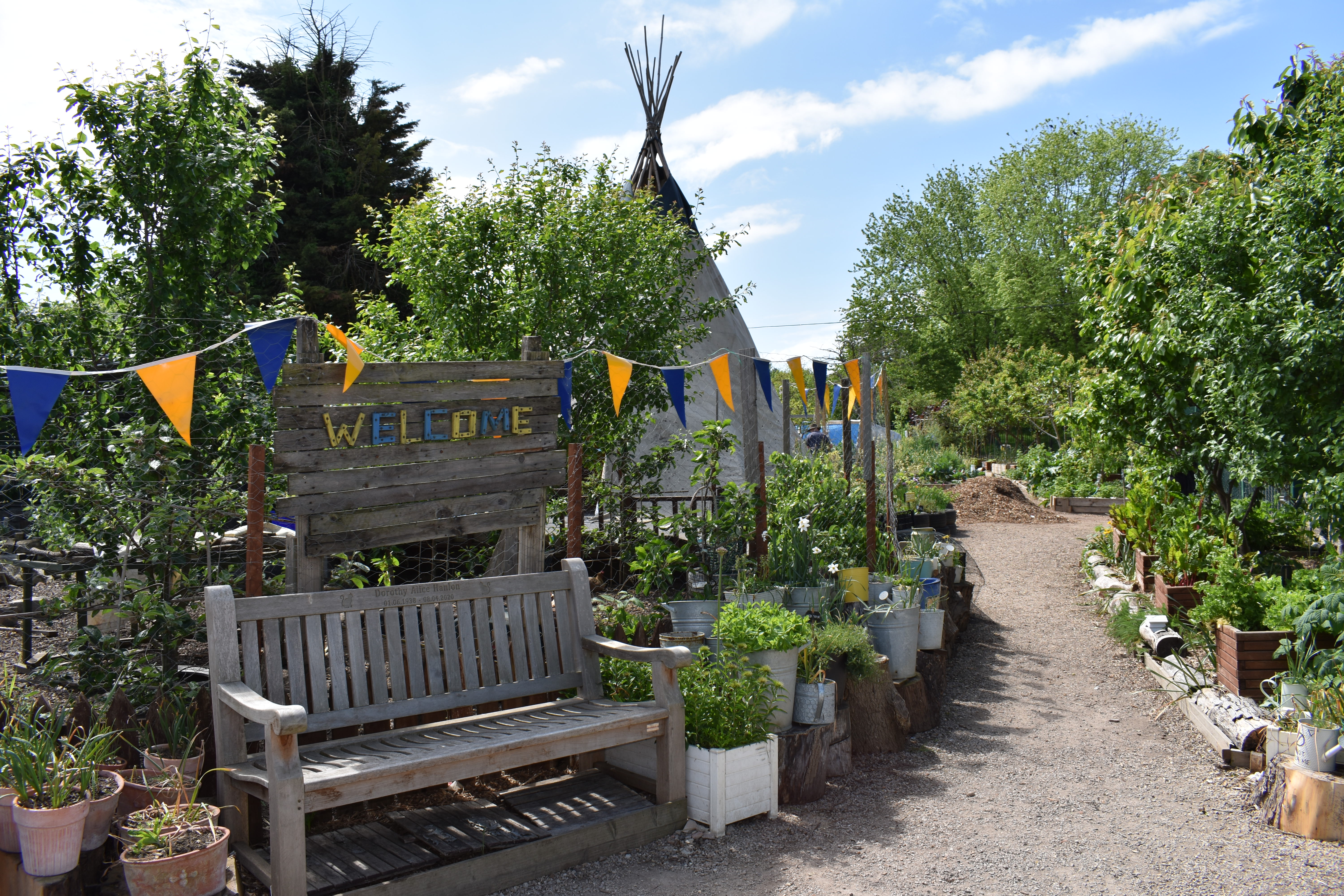
Three working guides
Hardiness zones describe winter survival for perennials. Annual vegetables are timed instead by the last spring frost and first fall frost. These guides connect both ideas to practical planting, watering, and harvest decisions.
Count back from your last spring frost to schedule indoor seed starting, direct sowing, and transplanting for common Canadian crops.
Read guideWhy raised beds warm faster in a short season, how deep to fill them, and how to water deeply without wasting it in dry prairie summers.
Read guideDays-to-maturity, the first-frost deadline, and which crops to pull early or leave to sweeten after a light frost.
Read guideReference table
Average dates are regional guidelines, not guarantees. A late cold snap can arrive after the listed date, so check the current forecast before setting out tender transplants.
| City | Hardiness zone | Last spring frost | First fall frost | Frost-free days |
|---|---|---|---|---|
| Toronto, ON | 6b | ~Apr 20 | ~Oct 30 | ~190 |
| Ottawa, ON | 5a | ~May 6 | ~Oct 1 | ~148 |
| Sudbury, ON | 4b | ~May 31 | ~Sep 17 | ~108 |
| Winnipeg, MB | 3a | ~May 25 | ~Sep 20 | ~118 |
| Saskatoon, SK | 3b | ~May 25 | ~Sep 12 | ~110 |
From the guides
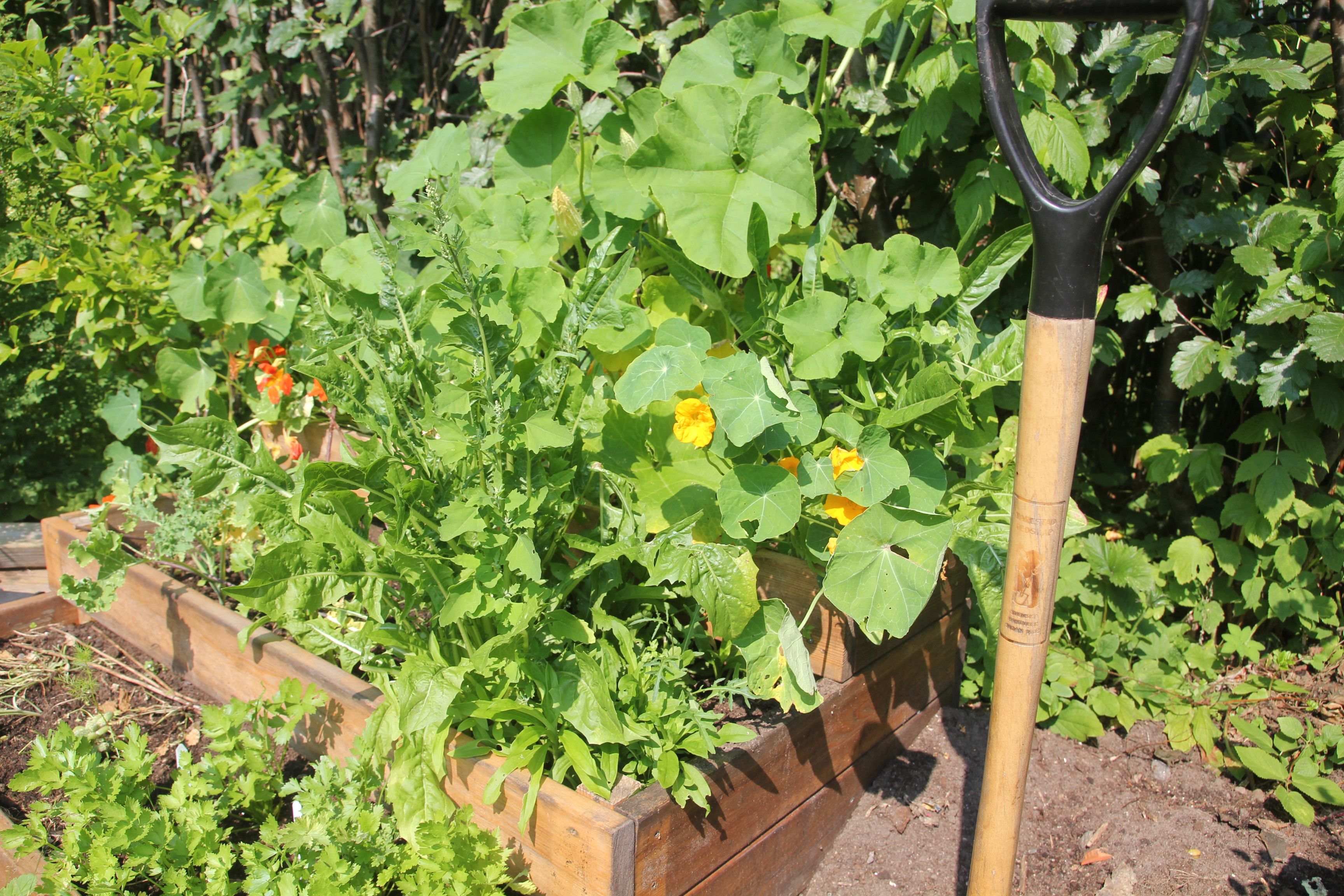
In a short prairie or northern season, soil that warms a week sooner is real growing time. Raised beds and dark boards help.
Photo: Wikimedia Commons (CC BY-SA 4.0).

Tomatoes and peppers go indoors six to eight weeks before the last frost, then out only once soil reaches roughly 10–15 °C.
Photo: Wikimedia Commons (CC BY-SA 4.0).
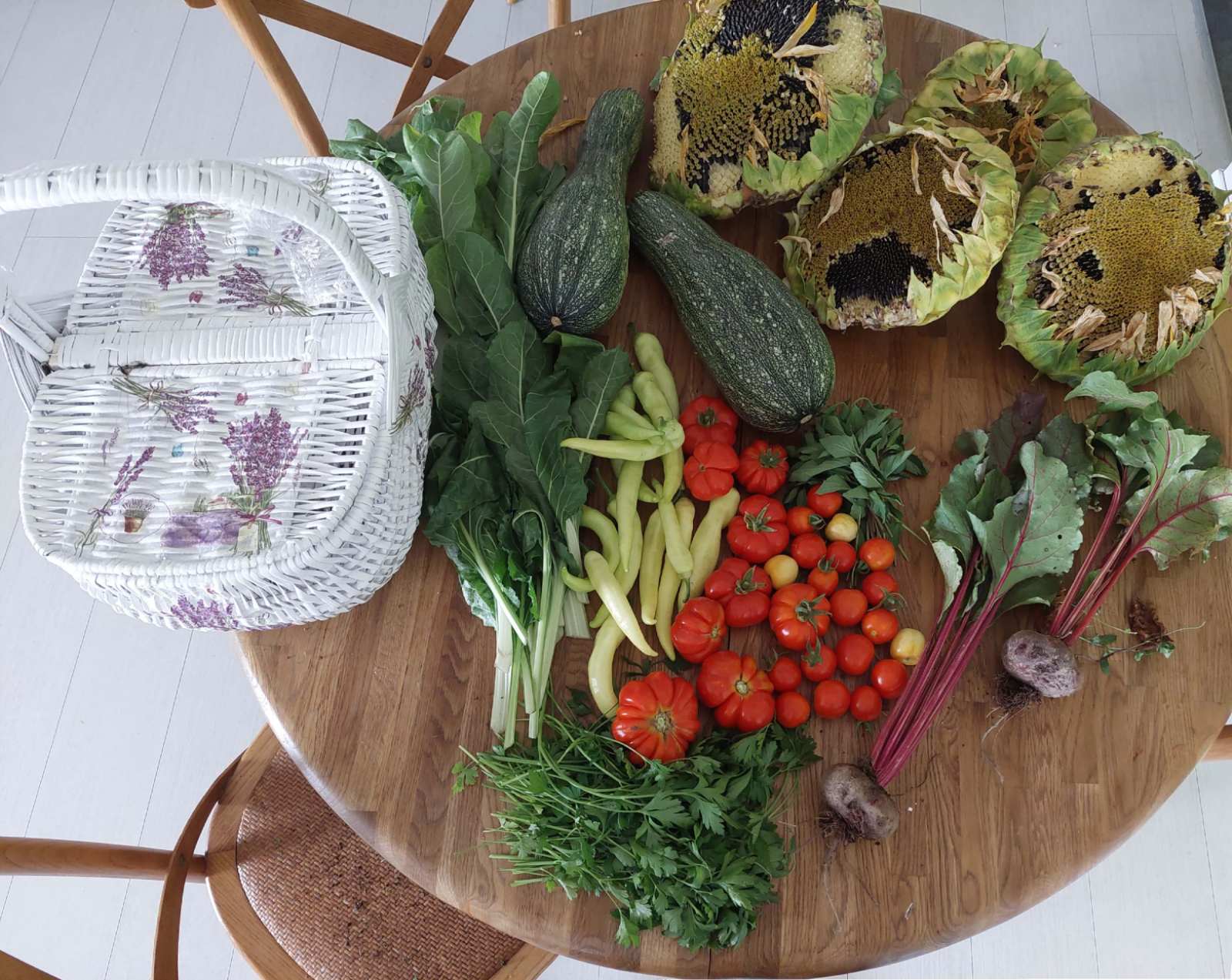
Read days-to-maturity against your first-frost date. Root crops and kale tolerate light frost; tomatoes and squash do not.
Photo: Wikimedia Commons (CC BY 4.0).
Contact
If a date or detail looks off for your region, send a note. Regional frost averages shift over time, and reader feedback helps keep the tables accurate.