Raised beds solve several Canadian problems at once: cold, slow-draining native soil; thin topsoil over rock; and a short window where every warm day counts. A bed filled with imported soil warms faster in spring, drains better after snowmelt, and lets you control the growing medium completely.
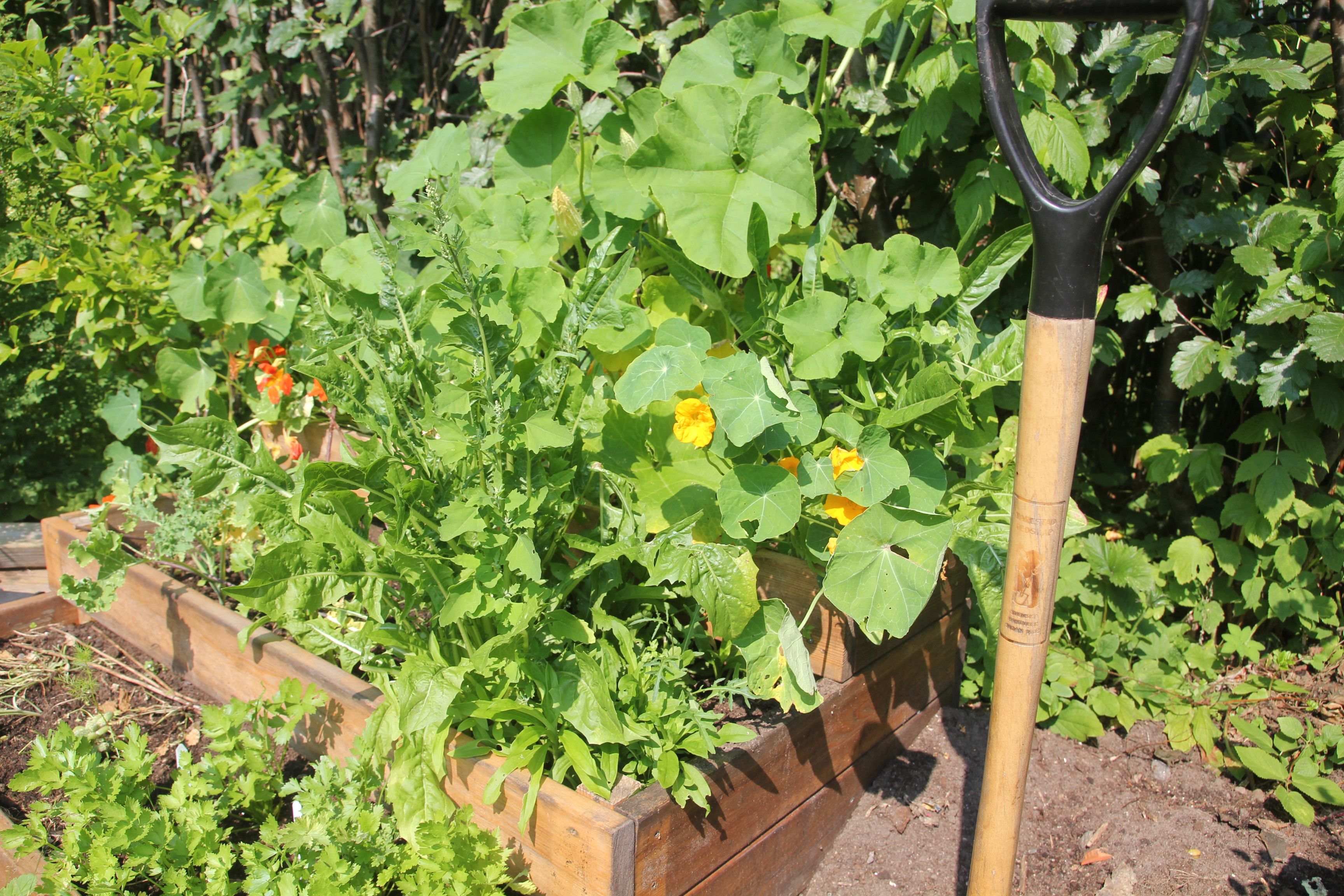
Why raised beds suit a short season
- Earlier warming. Soil held above grade and exposed on the sides warms sooner in spring, adding effective growing days where the frost-free window is tight.
- Bypassing poor ground. On thin or acidic soil — common on the Canadian Shield — a bed of purchased triple-mix (topsoil, compost, peat) sidesteps the native ground entirely.
- Better drainage. Beds shed excess moisture from spring melt and heavy rain, which keeps roots from sitting in cold, waterlogged soil.
How deep, and filled with what
For most vegetables, aim for enough depth that roots are not fighting the base layer. Root crops like carrots and parsnips appreciate the most room; leafy and fruiting crops need less. A practical fill is a blend of quality topsoil and compost, with the compost share refreshed each season as it breaks down.
On older industrial or smelter-affected ground, raised beds filled with clean purchased soil are a common precaution, because they separate the growing medium from native soil of unknown quality.
Watering: deep and infrequent beats shallow and daily
Raised beds drain freely, so they dry out faster than in-ground beds — especially in hot, dry prairie summers. The goal is to wet the full root zone, then let the surface dry slightly before the next watering. Shallow daily sprinkling trains roots to stay near the surface, where they are most vulnerable to heat.
- Water early in the day so foliage dries before evening, which reduces disease pressure.
- Deliver water to the soil, not the leaves. Drip lines and soaker hoses put water at the roots and waste less to evaporation.
- Check by feel. Push a finger into the soil; water when it is dry a few centimetres down rather than on a fixed daily schedule.

Mulch to hold what you apply
A layer of straw or shredded leaves over the soil surface slows evaporation, moderates soil temperature, and suppresses weeds. In a dry summer it noticeably reduces how often beds need watering, and it keeps soil from baking around shallow-rooted crops.
End-of-season care
Hoses and drip components crack if left out through a Canadian winter. Drain and store them indoors after the last watering. Top the beds with compost in fall or early spring so the soil is ready when the season opens again.