Harvest timing in Canada is a race against the first fall frost. Two numbers decide it: the days-to-maturity printed on the seed packet, and your average first-frost date. When you sow, add the maturity days to the sowing date and compare the result to that deadline — if it lands after the frost, the crop needs an earlier start, a faster variety, or season extension.
The maturity math
In a long zone such as Toronto's (roughly 190 frost-free days), almost any common vegetable finishes comfortably, and a second crop of fast greens often fits in. In a short zone such as Saskatoon's or Sudbury's (around 110 days), long-maturity crops like large pumpkins or melons rarely finish, so the safer choices are short-season tomatoes, bush beans, and the dependable root and brassica crops.
Frost-tender: harvest before the first frost
These crops are damaged by frost and should be picked while the forecast is still clear:
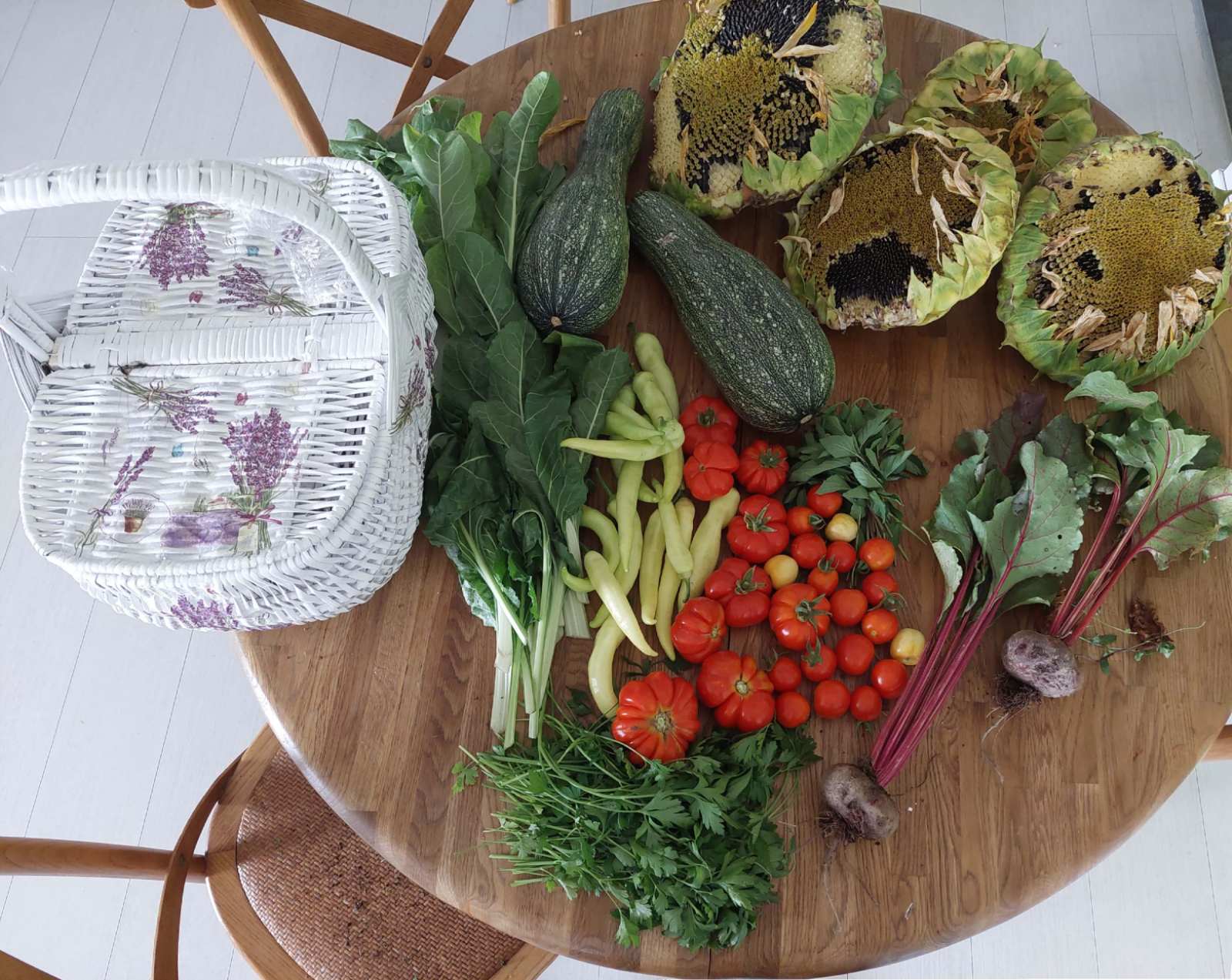
- Tomatoes — pick ripe and near-ripe fruit ahead of a frost; mature green tomatoes can finish ripening indoors.
- Cucumbers, zucchini, and summer squash — harvest young and often; production stops with cold.
- Beans and peppers — bring in the crop before the first frost rather than gambling on a warm spell.

Frost-tolerant: a light frost can help
Several cool-season crops not only survive a light frost but taste better for it, as cold prompts them to convert starch to sugar:
- Kale and other hardy greens — flavour sweetens noticeably after the first light frosts.
- Carrots, beets, and parsnips — hold in the ground and sweeten in cool weather; lift before the soil freezes hard.
- Brussels sprouts — among the crops most improved by frost.
"Days to maturity" on a packet is measured under good conditions. Cool weather, short days, and cloudy spells stretch it, so build in a margin rather than planning to harvest on the exact listed day.
Reading the forecast, not just the average
Average first-frost dates are planning tools; the actual first frost varies year to year. As the calendar approaches your average date, watch overnight forecasts from Environment Canada. A row cover or sheet thrown over tender crops can carry them through an early, isolated frost and add a week or two of harvest before the season truly ends.

A simple harvest plan
- Note your average first-frost date at sowing time.
- Flag frost-tender crops to pick in the days before that date.
- Leave frost-tolerant roots and greens for last, lifting roots before a hard freeze.
- Keep covers ready for the first isolated frost so a warm autumn spell is not wasted.